

Kupala Night: The Ancient Slavic Celebration of the Summer Solstice - Fire, Water, Love and the Shortest Night of the Year
- polnfolk

- Jul 2
- 15 min read


When the Sun Reaches Its Highest Point
Every year, around the Summer Solstice, people across Poland gather by rivers, lakes and bonfires to celebrate one of the most enchanting nights of the year. Today it is often known as Saint John's Night (Noc Świętojańska), but its roots reach much further back—to a time when the ancient Slavs celebrated Kupala Night, a festival that honoured nature, community and the height of summer.
For our ancestors, this was much more than a seasonal celebration.
It marked the moment when the sun reached its greatest strength, the days were at their longest and nature was bursting with life. Fields were green, forests were full of flowers and herbs, and warm evenings invited people to gather outdoors.
Kupala Night became a joyful celebration of light, abundance and togetherness—a time filled with music, dancing, laughter and rituals that reflected the close relationship between people and the natural world.
Even today, centuries later, many of these traditions continue to capture our imagination. Floating flower wreaths along rivers, jumping over bonfires and searching for the legendary fern flower have become enduring symbols of one of the most beloved celebrations in Slavic culture.
But behind these beautiful customs lies a much deeper story.
What Is Kupala Night?
Kupala Night is one of the oldest and most important seasonal celebrations in the Slavic calendar. Traditionally observed around the Summer Solstice, it celebrates the height of summer, the abundance of nature and the balance between the natural elements.
Unlike modern festivals organised around entertainment or public events, Kupala Night grew directly from everyday life.
Ancient Slavic communities depended on the changing seasons. Their harvests, livestock and wellbeing were closely tied to the rhythms of nature. The Summer Solstice marked a turning point in the year—when daylight reached its peak before gradually becoming shorter once again.
Rather than mourning the passing of the longest day, people celebrated it.
They gathered with family and neighbours, lit bonfires, sang traditional songs and expressed gratitude for the richness of the natural world surrounding them.
Although many details varied between different Slavic regions, the spirit of the celebration remained remarkably consistent: joy, community, renewal and respect for the forces of nature.
The Summer Solstice – Nature at Its Peak
The Summer Solstice usually falls between 20 and 22 June, when the Northern Hemisphere experiences its longest day and shortest night. For modern society, this is often little more than an interesting astronomical event.
For the ancient Slavs, however, it represented one of the most powerful moments in the entire year. The fields promised a successful harvest. Medicinal herbs were believed to be at their most potent. Rivers flowed gently through landscapes alive with colour. Birdsong filled the forests from dawn until dusk. Everything around them reflected vitality and growth. The solstice reminded people that nature had reached its fullest expression.
At the same time, it also carried a quiet reminder that every cycle eventually changes. From this day forward, daylight would slowly begin to shorten, preparing the world for another turning of the seasons. This understanding of life's natural cycles became one of the defining features of Slavic culture. Rather than resisting change, people learned to celebrate each season for what it offered.
Kupala Night became the joyful expression of that philosophy.
More Than a Celebration
It would be easy to describe Kupala Night simply as an ancient festival but doing so would overlook what made it so meaningful.
For the Slavs, celebrations were not separate from everyday life. They strengthened relationships between families and neighbours. They marked important moments in the agricultural year. They brought music, storytelling and shared meals into the centre of community life. Most importantly, they reminded people that humans were part of nature—not separate from it.
Fire, water, flowers, herbs and the changing movement of the sun were not merely decorations or background scenery.
They were symbols that helped people understand their place within the natural world. Perhaps this is one of the reasons why Kupala Night continues to fascinate people today.
In a world where many of us spend our days indoors and disconnected from the seasons, its traditions offer a gentle reminder of something timeless: the joy of gathering together, celebrating nature and appreciating the simple beauty of a midsummer evening.
The Origins of Kupala Night
Like many ancient Slavic traditions, the exact origins of Kupala Night remain partly hidden in history. The early Slavs left very few written records, and much of what we know today comes from archaeological discoveries, medieval chronicles, linguistic studies and folk customs that survived for centuries.
While some details continue to be debated by historians, one thing is clear: long before Christianity reached the Slavic lands, communities were already gathering around the Summer Solstice to celebrate the height of summer and the abundance of nature.
These celebrations were deeply connected to everyday life. The harvest was approaching. The fields were thriving. Medicinal herbs covered the meadows. Warm evenings encouraged people to gather outdoors after months of hard work.
Kupala Night became a joyful pause—a moment to celebrate life, strengthen community bonds and express gratitude for the richness of the natural world.
Why Was the Summer Solstice So Important?
For the ancient Slavs, the changing seasons shaped almost every aspect of life.
There were no weather forecasts or modern calendars. Instead, people watched the sun, the stars, the rivers and the forests. The Summer Solstice marked the point when daylight reached its greatest length before slowly beginning its journey back towards autumn and winter. This turning point carried profound meaning. It celebrated nature at its strongest. Fields promised abundance. Fruit was beginning to ripen. Animals were healthy. Medicinal plants were believed to contain exceptional strength.
Rather than fearing this change, communities celebrated it with music, dancing and shared rituals, recognising that every season was part of the same continuous cycle. Life, like nature itself, was always changing.
Where Does the Name "Kupala" Come From?
One of the most fascinating questions surrounding Kupala Night is the origin of its name.
For many years, people believed that Kupala was the name of a Slavic god associated with summer or fertility. Today, however, most historians and linguists agree that there is no clear historical evidence confirming the existence of such a deity in pre-Christian Slavic religion. Instead, many researchers believe that the word Kupala is more closely connected to old Slavic words relating to bathing, immersion in water or ritual cleansing. This interpretation makes perfect sense when we look at the traditions themselves.
Water played an essential role throughout the celebration. People gathered by rivers and lakes. Flower wreaths floated downstream. Morning dew was believed to possess special qualities. Rivers symbolised renewal, movement and life.
Although the exact origin of the name may never be known with certainty, its connection with water beautifully reflects the spirit of the festival.
A Celebration Shared Across the Slavic World
Kupala Night was never celebrated in exactly the same way everywhere. The Slavic world stretched across a vast area of Europe, and each region developed its own customs, songs and local traditions. Some communities focused more strongly on fire rituals, others emphasised water.
Certain customs survived only in particular regions, while others spread across much of the Slavic world. Despite these regional differences, several themes appear again and again. Nature. Light. Love. Community. Fertility. Music. And gratitude for the abundance of summer.
These shared values created a celebration that felt familiar across many Slavic lands while still allowing each community to express its own unique identity.
Perhaps that is one of the reasons Kupala Night continues to feel so alive today. Its traditions were never rigid. They evolved naturally, shaped by landscapes, local communities and the changing generations who kept them alive.
A Festival That Brought People Together
Unlike many modern festivals, Kupala Night was not something organised for spectators. Everyone participated. Children gathered flowers. Young people sang and danced. Families prepared food. Neighbours met around the fire. Stories were shared. Music filled the evening. It was a celebration created by the community itself.
There was no clear separation between performers and audience. Everyone became part of the experience.
This sense of togetherness may be one of the festival's most enduring legacies. Because beyond all the rituals and symbolism, Kupala Night reminded people of something simple yet deeply important:
Life is richer when it is shared.
Fire and Water – The Heart of Kupala Night
Among all the traditions associated with Kupala Night, two natural elements appear again and again: fire and water.
At first glance, they seem like complete opposites. One warms. The other cools. One transforms. The other nourishes.
Yet during Kupala Night, they came together to symbolise harmony and balance.
For the ancient Slavs, neither element was seen as greater than the other. Both were essential for life, both deserved respect and both played an important role in the celebration of the Summer Solstice. This balance between opposing forces became one of the defining themes of Kupala Night—a reminder that nature thrives through harmony rather than conflict.
Bonfires – More Than a Beautiful Tradition
As dusk settled and the longest day of the year came to an end, villages gathered around large bonfires.
Today, these fires are often seen as one of the most recognisable symbols of Kupala Night.
But they were far more than a source of light. The fire represented the strength of the sun at its highest point in the year. It symbolised warmth, vitality, protection and the life-giving energy that allowed crops to grow and communities to flourish.
Gathering around the flames also brought people together. Neighbours who had spent weeks working in the fields shared songs, food and stories. Children played nearby while musicians filled the evening with rhythm and dance.
The bonfire became the centre of the celebration—not because people worshipped the fire itself, but because it created a space where the community could gather.
Jumping Over the Fire
One of the best-known Kupala Night traditions is jumping over the bonfire. Although today it is often performed simply for fun, historical accounts and surviving folk traditions suggest that the custom carried symbolic meaning.
Leaping over the flames was believed to bring good fortune, health and protection for the months ahead.
Young couples sometimes jumped together while holding hands. If they landed safely without letting go, it was seen as a sign of trust, harmony and a strong future together.
Whether taken literally or symbolically, the tradition celebrated courage, joy and stepping confidently into a new chapter of life.
Even today, it remains one of the most memorable images associated with Kupala Night.
The Magic of Water
While fire illuminated the night, water offered calm and renewal. Rivers and lakes became gathering places where many of the evening's traditions unfolded.
Water symbolised movement, purification and the continuous flow of life. It reminded people that everything changes, yet everything remains connected. Some customs involved washing in rivers or collecting the morning dew, which was believed in many regions to bring health, beauty and good fortune. Although these beliefs varied across different parts of the Slavic world, they all reflected the same idea: nature possessed qualities worthy of respect, gratitude and careful observation.
Floating Flower Wreaths
Perhaps no image is more closely associated with Kupala Night than flower wreaths drifting across the water. Young women carefully wove wreaths from wildflowers, grasses and herbs gathered during the day. As night fell, they placed candles inside the wreaths before gently setting them afloat on rivers or lakes.
Today, this tradition is often linked with love and fortune-telling.
According to popular folklore, the way a wreath moved across the water was believed to reveal something about its maker's future. Some stories suggested that if a young man retrieved a particular wreath, it could symbolise the beginning of a future relationship.
However, beyond these romantic interpretations, the wreath itself carried broader meaning.
Made from living plants gathered at the height of summer, it represented the beauty, abundance and fragile cycles of nature. As it floated away, it became a quiet reminder that life, like the current of a river, is always moving forward.
Herbs, Flowers and the Gifts of Nature
Kupala Night was also one of the most important times for gathering herbs. Many communities believed that plants collected around the Summer Solstice held exceptional qualities. Whether used in traditional remedies, household rituals or simply dried for later use, herbs reflected generations of knowledge passed down through observation and experience.
Wildflowers decorated homes. Fresh greenery adorned gathering places.
The scent of summer became part of the celebration itself.
These traditions remind us that for the ancient Slavs, nature was not simply admired—it was understood, respected and woven into everyday life.
Music, Dancing and Celebration Until Dawn
Kupala Night was never a quiet celebration. As the fire burned and the stars appeared overhead, music filled the air.
Traditional songs echoed through villages. People danced in circles, clapped, laughed and celebrated together until sunrise.
Unlike many modern festivals, there was no strict programme or stage separating performers from the audience. Everyone took part. Music became a way of strengthening community, expressing gratitude and marking one of the most joyful moments of the year. Perhaps this is why Kupala Night still captures our imagination. Beyond the rituals themselves, it reminds us of something wonderfully simple: Some of life's most meaningful moments happen when people gather together—with music, stories and the natural world as their backdrop.
Did You Know?
Not every Kupala Night tradition was celebrated in the same way. The customs varied across different Slavic regions, and many evolved over the centuries. What united them was not a single set of rituals, but a shared appreciation for nature, community and the changing seasons.
The Legend of the Fern Flower
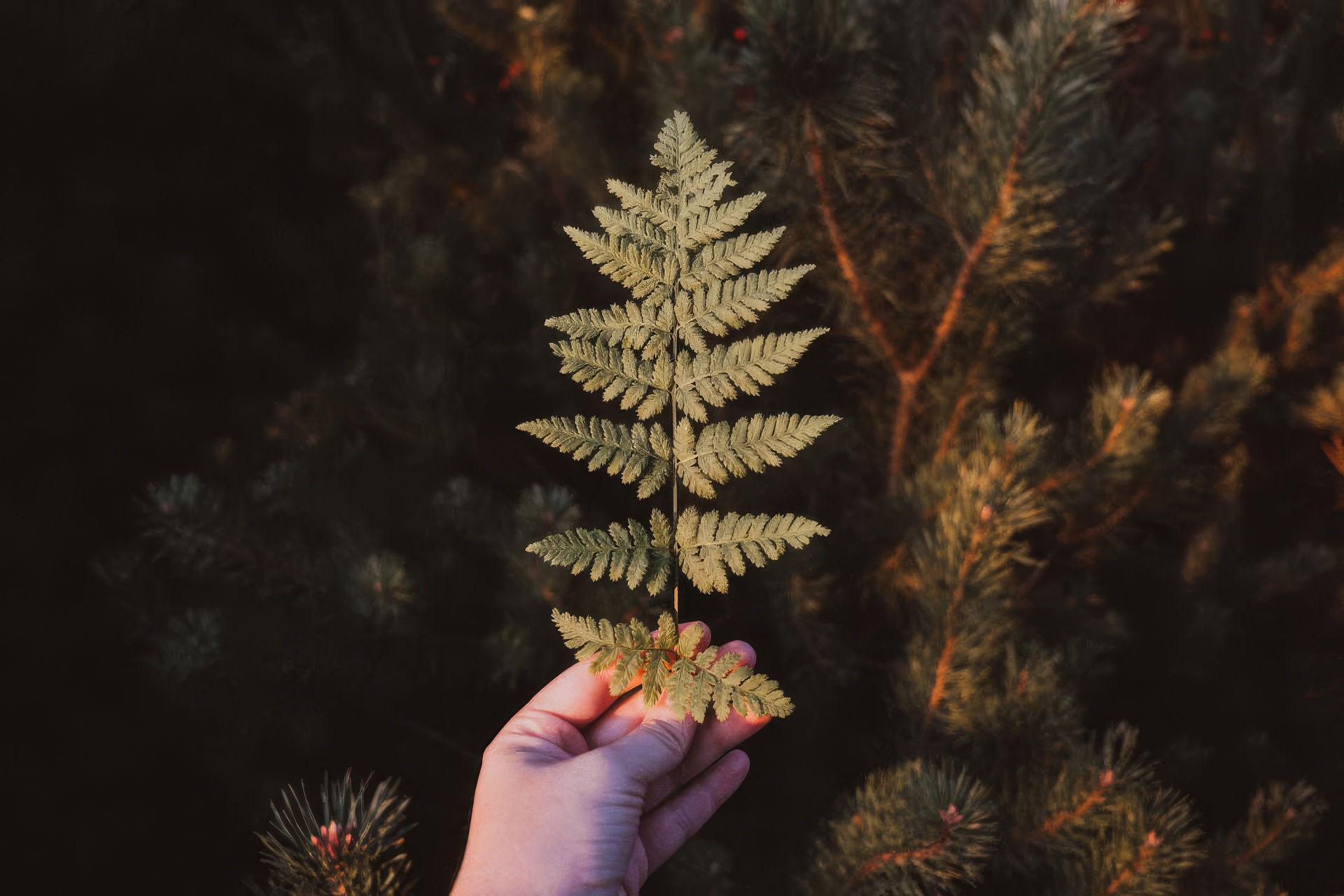
Among all the stories connected with Kupala Night, none has captured the imagination quite like the legend of the Fern Flower.
According to Slavic folklore, once every year—during the shortest night of summer—a fern was believed to bloom with a mysterious golden flower. Whoever found it would receive extraordinary gifts: wisdom, happiness, prosperity and the ability to understand the hidden language of nature. There was only one problem.
According to legend, finding the flower was almost impossible. The forest became filled with distractions, strange sounds and illusions designed to lead travellers away from their path. Only those who remained brave, honest and determined could hope to discover its secret. Whether anyone truly believed such a flower existed mattered less than the story itself.
Like many folk tales, the legend carried a message far deeper than its magical appearance.
A Flower That Never Blooms
One of the most fascinating aspects of the Fern Flower legend is that ferns do not actually produce flowers.
They reproduce through spores, making the search for a blooming fern beautifully impossible. Perhaps this is exactly why the story survived for centuries. The flower became a symbol of searching for something precious that cannot be found through luck alone. It encouraged courage. Curiosity.m Perseverance. And the willingness to step into the unknown.
In many ways, the journey became more important than the destination.
More Than Treasure
Modern retellings often describe the Fern Flower as a source of hidden treasure or magical wealth. While these stories remain an important part of Slavic folklore, many contemporary interpretations see the legend differently.
Rather than representing gold or material riches, the flower can be understood as a symbol of personal discovery. Finding one's purpose. Following intuition. Having the courage to walk a path that others cannot see. The greatest reward was never simply finding the flower but becoming the kind of person capable of searching for it.
A Story That Continues to Inspire
The Fern Flower remains one of the most recognisable symbols of Kupala Night because its message still feels surprisingly relevant. We all spend parts of our lives searching. Searching for belonging, for purpose, for love, for home, for meaning. Perhaps this is why the legend continues to resonate across generations, not because we expect a fern to bloom, but because we recognise ourselves in the journey.
Every generation has its own Fern Flower. Something rare. Something meaningful. Something worth seeking.
Why Legends Matter
It is easy to think of legends as simple fairy tales. But throughout history, stories like the Fern Flower helped communities pass on values that were difficult to explain through facts alone. They encouraged courage instead of fear. Curiosity instead of certainty. Respect for nature instead of control over it.
Whether told around a fire, shared between generations or rediscovered through books and festivals, these stories became part of a living cultural heritage that continues to inspire people today. Perhaps that is why Kupala Night has never been only about rituals but about the stories we choose to carry forward.
Did You Know?
Ferns never produce flowers. The Fern Flower is entirely mythical, making it one of the most beautiful examples of symbolism in Slavic folklore. Its impossibility is precisely what gives the legend its enduring power.
From Kupala Night to Saint John's Night
Like many ancient seasonal celebrations, Kupala Night gradually evolved as Christianity spread across the Slavic lands. Rather than disappearing, many of its traditions became intertwined with the Christian celebration of Saint John's Eve, giving rise to what is now widely known in Poland as Noc Świętojańska (Saint John's Night). Although the spiritual context changed, many of the customs remained remarkably familiar. Bonfires continued to light up the shortest night of the year. Flower wreaths were still woven and floated along rivers. Music, dancing and community gatherings remained at the heart of the celebration. This continuity reminds us that culture rarely disappears overnight. Instead, it evolves, carrying traces of the past into each new generation.
For this reason, Kupala Night and Saint John's Night are often seen not as competing traditions, but as chapters in the same long cultural story.
How Kupala Night Is Celebrated Today
Today, midsummer celebrations continue across Poland and many other Slavic countries, each adding its own local character to the festival. Some communities organise traditional folk events with music, dancing and historical reenactments. Others gather around lakes or rivers to float flower wreaths and enjoy the atmosphere of a warm summer evening. In many towns and villages, bonfires still bring people together, just as they have for generations.
At the same time, a growing interest in Slavic heritage has encouraged people to rediscover the deeper meanings behind these customs. For some, Kupala Night is an opportunity to learn about history. For others, it is simply a chance to spend time outdoors, reconnect with nature and celebrate with family and friends.
Perhaps this is the greatest strength of the festival. It welcomes everyone.
Whether you come for the folklore, the music, the stories or simply the joy of gathering beneath the summer sky, there is something timeless about sharing this night with others.
Why Kupala Night Still Matters
In today's fast-moving world, many people spend more time looking at screens than watching the changing seasons. Kupala Night offers a different perspective. It reminds us to slow down. To gather around a real fire instead of a digital one. To listen to music performed by people rather than algorithms. To notice wildflowers growing beside a river. To stay outside long enough to watch the stars appear.
These simple experiences are not just beautiful. They remind us that community, nature and shared traditions remain just as valuable today as they were centuries ago. Perhaps this is why interest in Kupala Night continues to grow—not because people wish to return to the past, but because they are searching for something that still feels deeply human.
Kupala Night and the Spirit of Pol'n'Folk
At Pol'n'Folk, we don't aim to recreate history exactly as it once was. Instead, we celebrate the spirit behind these traditions—the joy of gathering, warmth of music shared around a fire, the beauty of handmade crafts, the stories passed from one generation to the next, the connection between people and the natural world.
For us, Kupala Night is not only about remembering the past but also creating new memories that future generations will one day look back on with the same sense of warmth and belonging.
Whether someone arrives with deep knowledge of Slavic heritage or simply with curiosity, our hope is that they leave feeling part of something meaningful.
Because every tradition begins with people choosing to come together.
Conclusion
Kupala Night is far more than an ancient midsummer festival. It is a celebration of light at its brightest, nature at its fullest and community at its strongest. Its bonfires remind us of warmth and togetherness. Its rivers remind us that life is always moving forward. Its wreaths speak of hope. Its legends encourage courage and curiosity. And its music reminds us that some of life's most meaningful moments are those we share with others.
Centuries have passed since the first Kupala Night celebrations, yet their message still feels surprisingly relevant.
To celebrate the changing seasons.
To care for the natural world.
To value community.
To keep stories alive.
Perhaps that is why this magical night continues to inspire so many people today, because some traditions still have the power to bring us closer—to nature, to one another and to ourselves.
Continue Exploring
Continue your journey through Slavic heritage:
More stories about Slavic traditions, folklore, music and cultural heritage are coming soon.
Frequently Asked Questions
What is Kupala Night?
Kupala Night is an ancient Slavic midsummer festival celebrated around the Summer Solstice. It honours nature, community, light and the abundance of summer through traditions such as bonfires, flower wreaths and music.
When is Kupala Night celebrated?
It is traditionally celebrated around the Summer Solstice, usually between 20 and 22 June. In many places today, celebrations take place on the evening of 23 June, as part of Saint John's Night.
Is Kupala Night the same as Saint John's Night?
Not exactly.
Kupala Night has pre-Christian Slavic origins, while Saint John's Night is the Christian celebration that later incorporated many older midsummer traditions.
Why do people jump over bonfires?
Jumping over bonfires symbolises good fortune, vitality and stepping confidently into a new season. In many traditions, couples jumped together as a symbol of trust and unity.
Why do people float flower wreaths on water?
Flower wreaths represent beauty, hope and the natural cycle of life. According to folklore, the way a wreath floated on the water was believed to reveal something about the future.
What is the Fern Flower?
The Fern Flower is a legendary symbol from Slavic folklore. Although ferns never actually bloom, the mythical flower represents the search for wisdom, happiness and life's greatest treasures.
Is Kupala Night still celebrated today?
Yes. Across Poland and other Slavic countries, people continue to celebrate through cultural festivals, folk events, concerts and community gatherings that honour this ancient midsummer tradition.
Did You Know?
Kupala Night is one of the few traditional celebrations where fire, water, music, flowers and folklore all come together in a single festival. This unique combination makes it one of the richest and most visually striking traditions in Slavic culture.


Comments